

Enterprise Network Design and Implementation Principles
Enterprise network design and implementation principles
Read more: Enterprise Network Design and Implementation PrinciplesPractical and analytical content on SEO, network infrastructure, security and web technologies
Enterprise network design and implementation principles
Read more: Enterprise Network Design and Implementation Principles
A review of the most important network security principles and measures every organization should consider in its infrastructure.
Read more: How to Improve an Organization's Network Security?
An introduction to IP telephony systems and the benefits of using VoIP in organizations.
Read more: What is VoIP and What Benefits Does It Offer Businesses?
Exploring the role of websites in brand awareness, customer acquisition and online presence development.
Read more: Why is a Professional Website Essential for Business?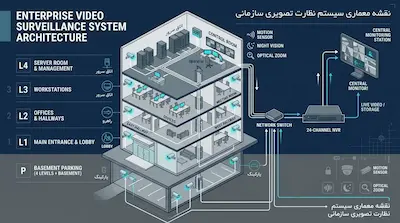
Key considerations for camera selection, equipment placement and designing an appropriate video surveillance system for organizations.
Read more: Guide to Selecting and Designing CCTV Systems
Exploring the advantages of fiber optics and its role in creating high-speed, stable and scalable communications.
Read more: Why is Fiber Optic Important in Network Infrastructure?
Learn the key considerations for selecting switches, routers and other network equipment tailored to your organization's needs.
Read more: Guide to Selecting Network Equipment for Organizations
The role of professional training in enhancing technician skills, reducing errors and improving IT infrastructure management.
Read more: Why is Professional Network Training Important for Organizational Teams?
A look at practical AI applications in process optimization, data analytics and intelligent service delivery.
Read more: AI Applications in Business
A website's success depends on optimization for search engines and AI to be discoverable, authoritative and useful — not just good-looking or content-heavy.
Read more: Improving SEO and GEO
Step-by-step guide to SSH hardening on Linux including disabling root and password login, enabling SSH keys and applying security settings to protect servers from cyber attacks.
Read more: Linux Server Security